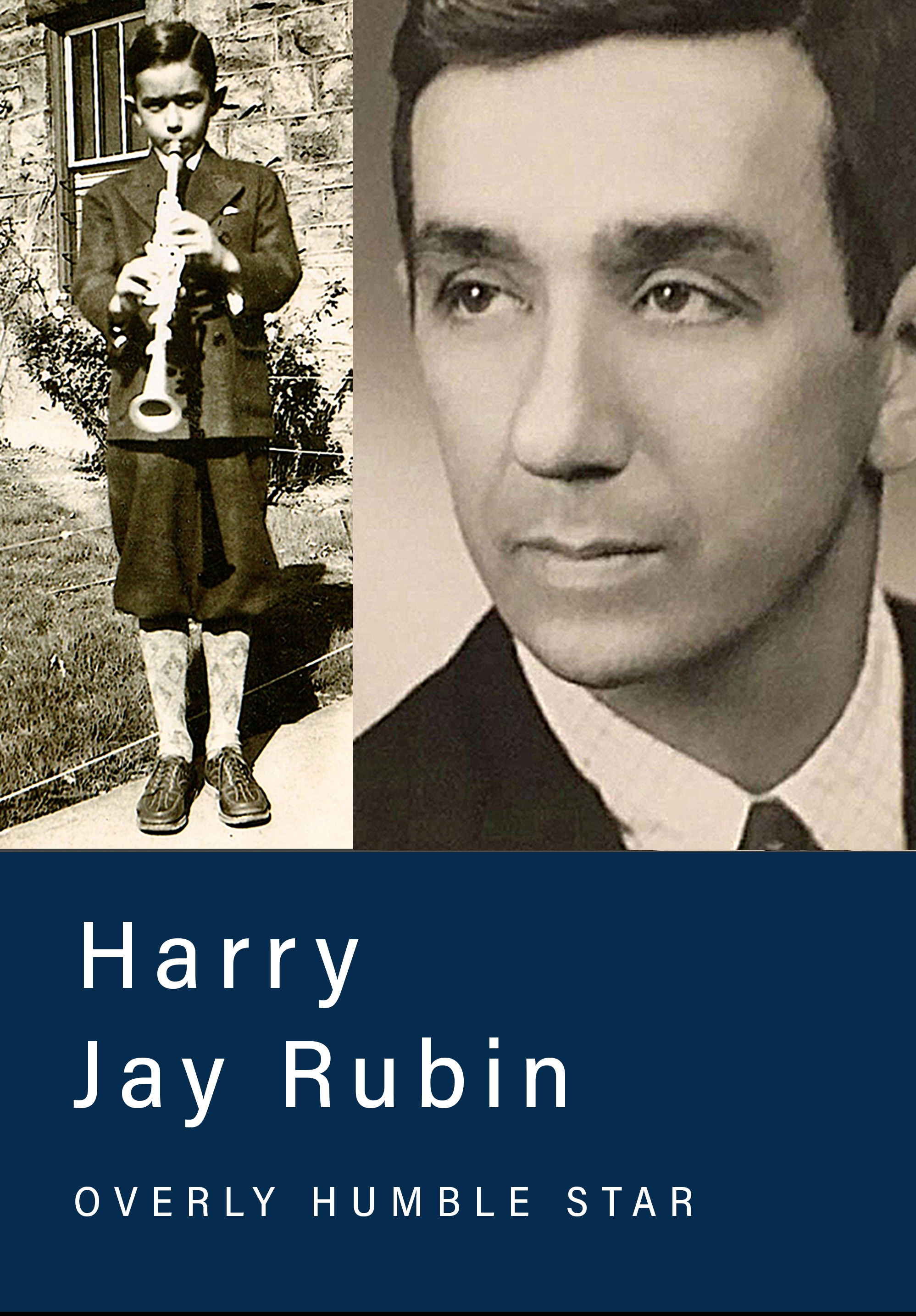
Harry Jay Rubin
There will be a discovery process regarding the wrongful death and possible homicide of my nurturing father, Bud Rubin, on March 18th, 2018.
Bud Rubin was a musical prodigy — just overly humble and self-effacing — and a courageous, famous attorney — just overly hyumble and self-effacing. In 2019, after I filed a complaint with the Home Health Division of the Pennsylvania Department of Health, Surveyor Cheyenne Ricker investigated my father's unexpected death on 3-18-2018. After personnel at Home Instead of York, PA lied to her, she and her supervisor told me it was a "police matter." However, the official follow-up letter from the PA Department of Health covered up her assessment. It was vague. When I asked why, she replied: "That's not for you to know." Her field notes are discoverable. There's no statue of limitations on homicide. Jane Rubin, Bud Rubin's sane, law-abiding daughter, is going to peacefully ensure that every bad actor is prosecuted.
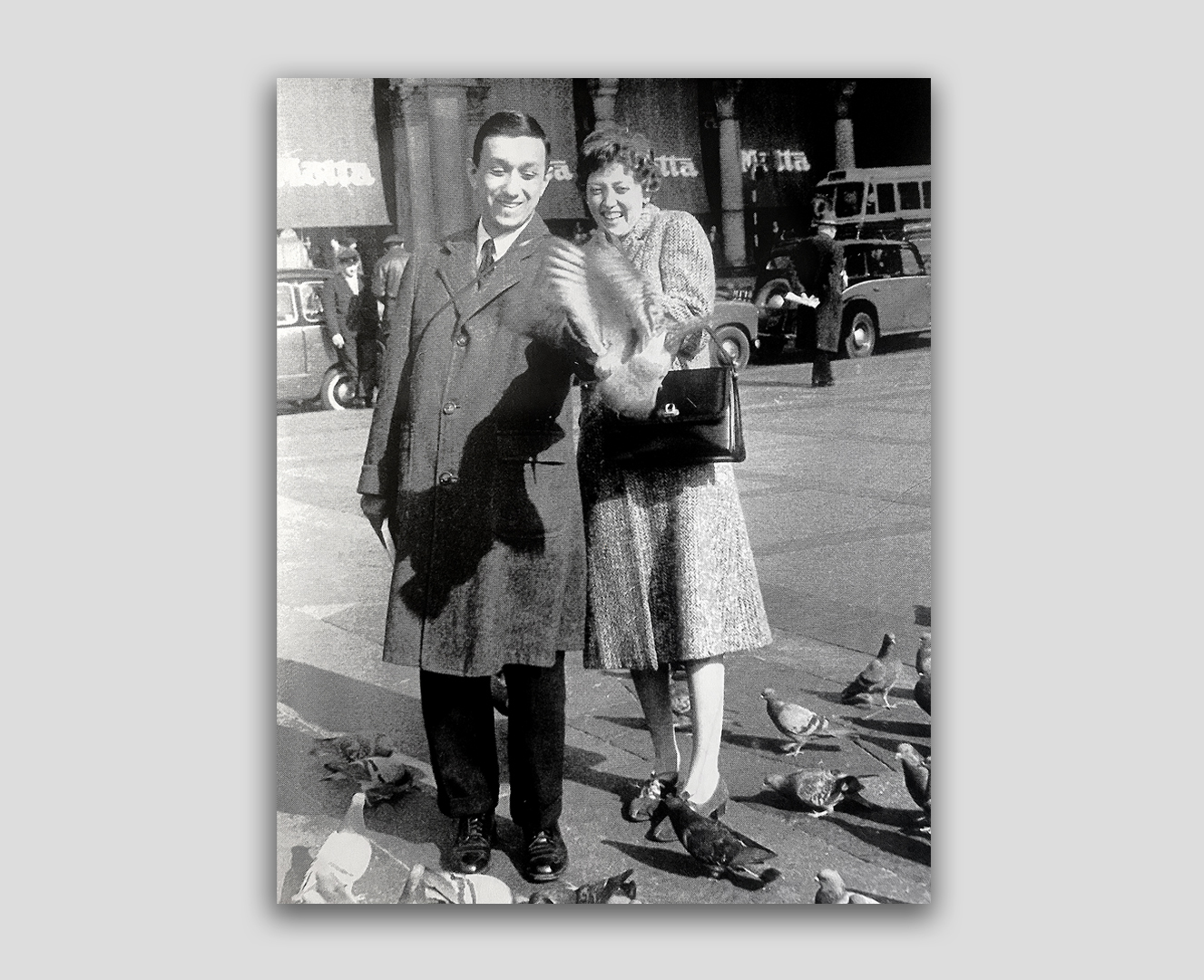
"Sleep late, collect classical records, play in a dance band, and be anything but a school teacher."
— Buddy Rubin's stated ambition in his high school yearbook, in Brownsville, PA, where he was valedictorian and recognized for his musical talent — winning a statewide music competition in his teens and playing on Pittsburgh radio
— Buddy Rubin's stated ambition in his high school yearbook, in Brownsville, PA, where he was valedictorian and recognized for his musical talent — winning a statewide music competition in his teens and playing on Pittsburgh radio
My Dad's only obstacle was his extreme humility. He was a multiply talented phenom who was a self-effacing masochist about his own talents. That is what happens to uniquely talented-gifted children and adults when they are not wealthy, and emotionally unsupported in a variety of settings. In order to not provoke resentment, they become overly self-effacing.
Bud Rubin had professional-level musical talent, skill and depth — played professionally at times — but declined to perform often. "Attorney" was just the day job with which he supported his family. He was first and foremost a great musician, just self-effacing in the extreme.
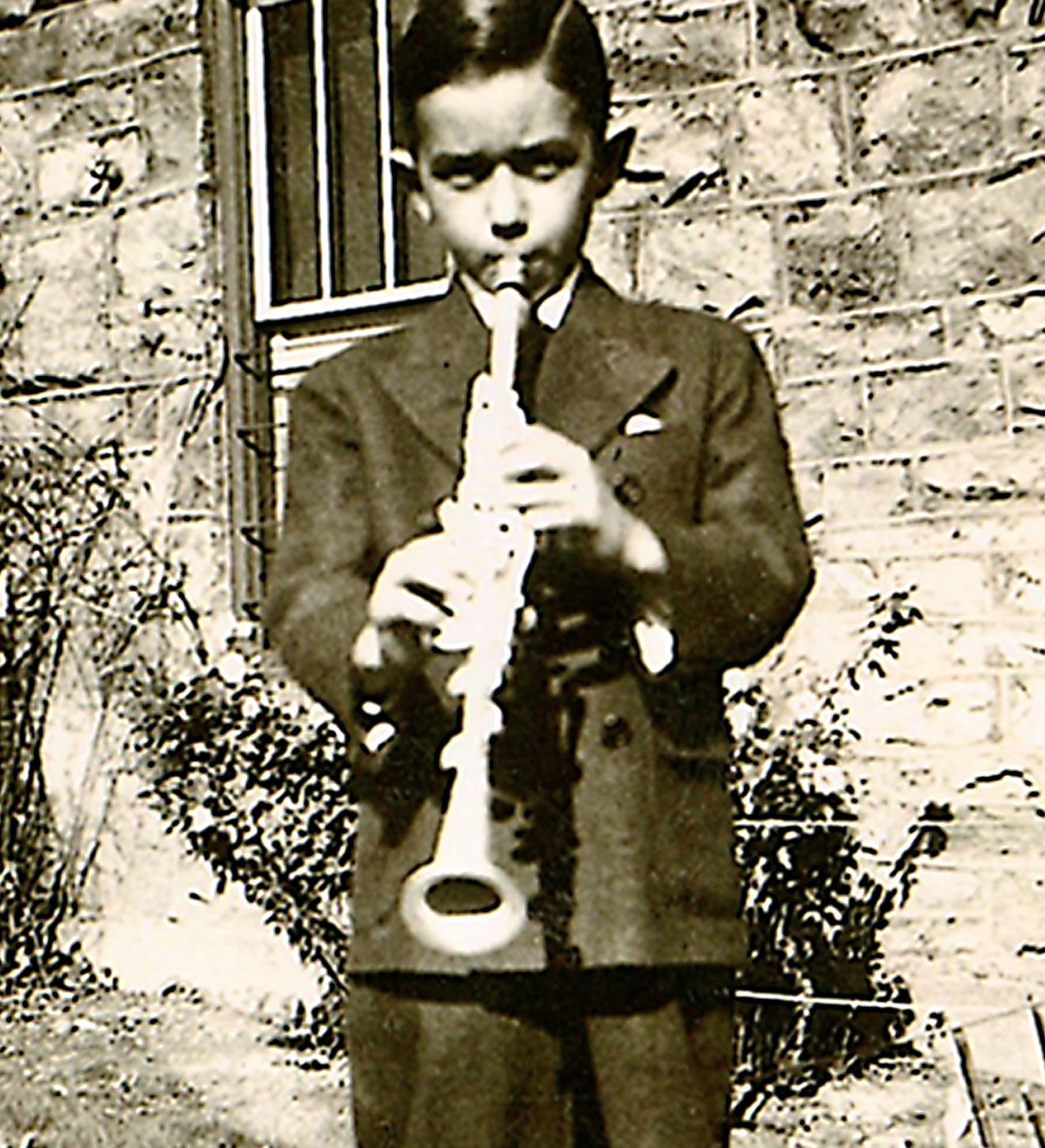
He played the clarinet with naturally beautiful tone. Ignatius Gennusa invited him to give a chamber music performance with him in Baltimore — and Iggy did not do that to be nice — he praised my Dad's beautiful tone as well as his technical skill, and told him he should perform more often, but my extremely humble Dad was always promoting others and diminishing his own incredible talent. Occasionally, when the first clarinetist of the York Symphony could not perform, my Dad would sit in for him. My father played the Mozart Clarinet Concerto more beautifully than many full-time pros.
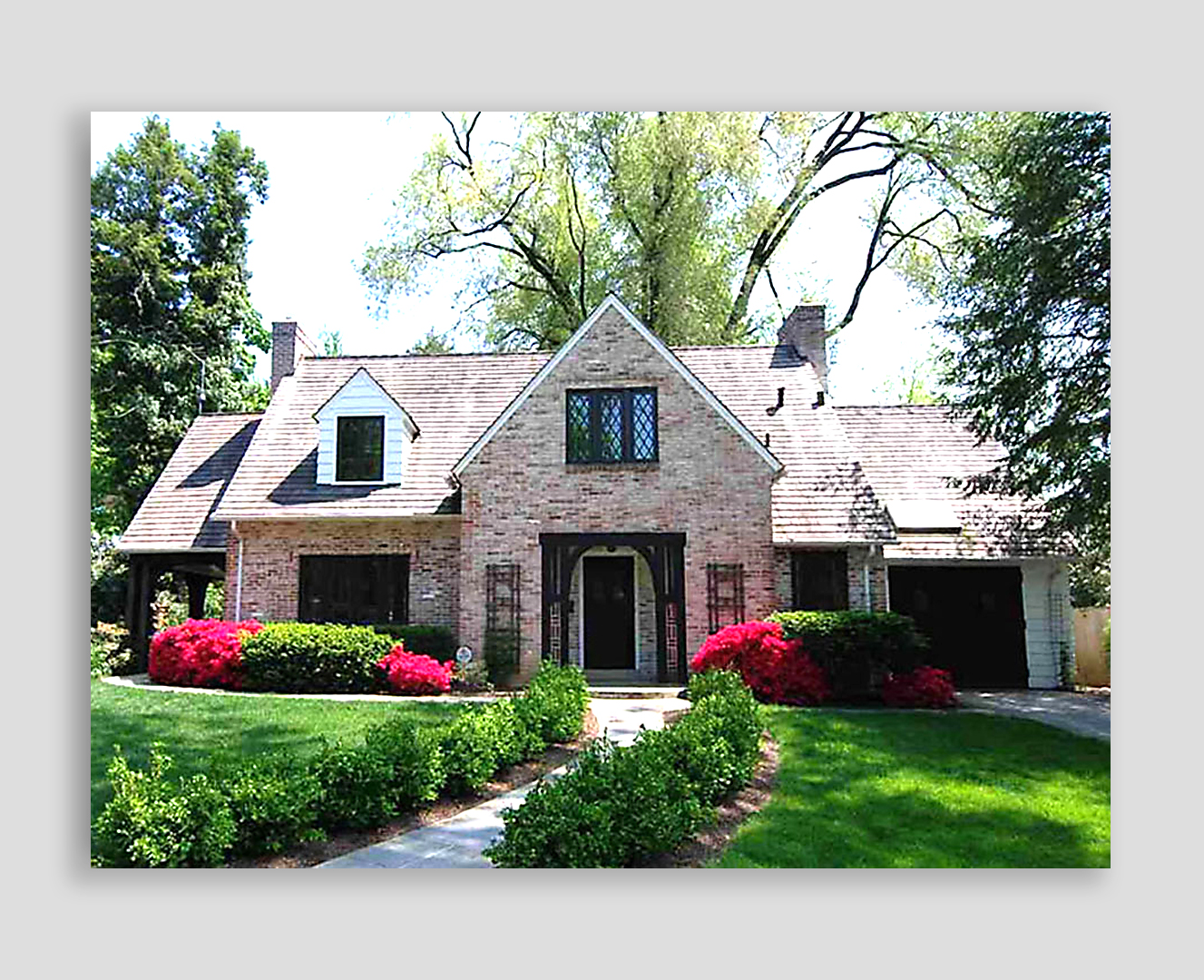
As Ignatius Gennusa told him, my Dad was more talented, naturally, than my third cousin (on my mother's side of the family) Todd Levy, who trained at Juilliard from childhood to adulthood, and has had a successful classical music career. However, it is Buddy Rubin who played the clarinet, naturally, with beautiful tone — that filled our home in York.
Additionally, my Dad did not only play or listen to classical music. At Brownsville High, in Brownsville, PA, where he was the 1946 valedictorian, he says in the '46 yearbook that his ambition was to "sleep late, collect classical records, play in a dance band, and be anything but a school teacher." That is who my Dad really is...he played classical, jazz, dance music...he listened to Mozart, Brahms, Poulenc, Bill Evans, Dizzy Gillespie, Jefferson Airplane, liked the Talking Heads, and wore the "Gang of Four" T-shirt I brought him in the '80s when he was mowing the lawn. In any musical scene, classical, jazz, progressive rock, post-punk, my unconventional Dad — were he not so self-effacing — would have been a dominant musical star.
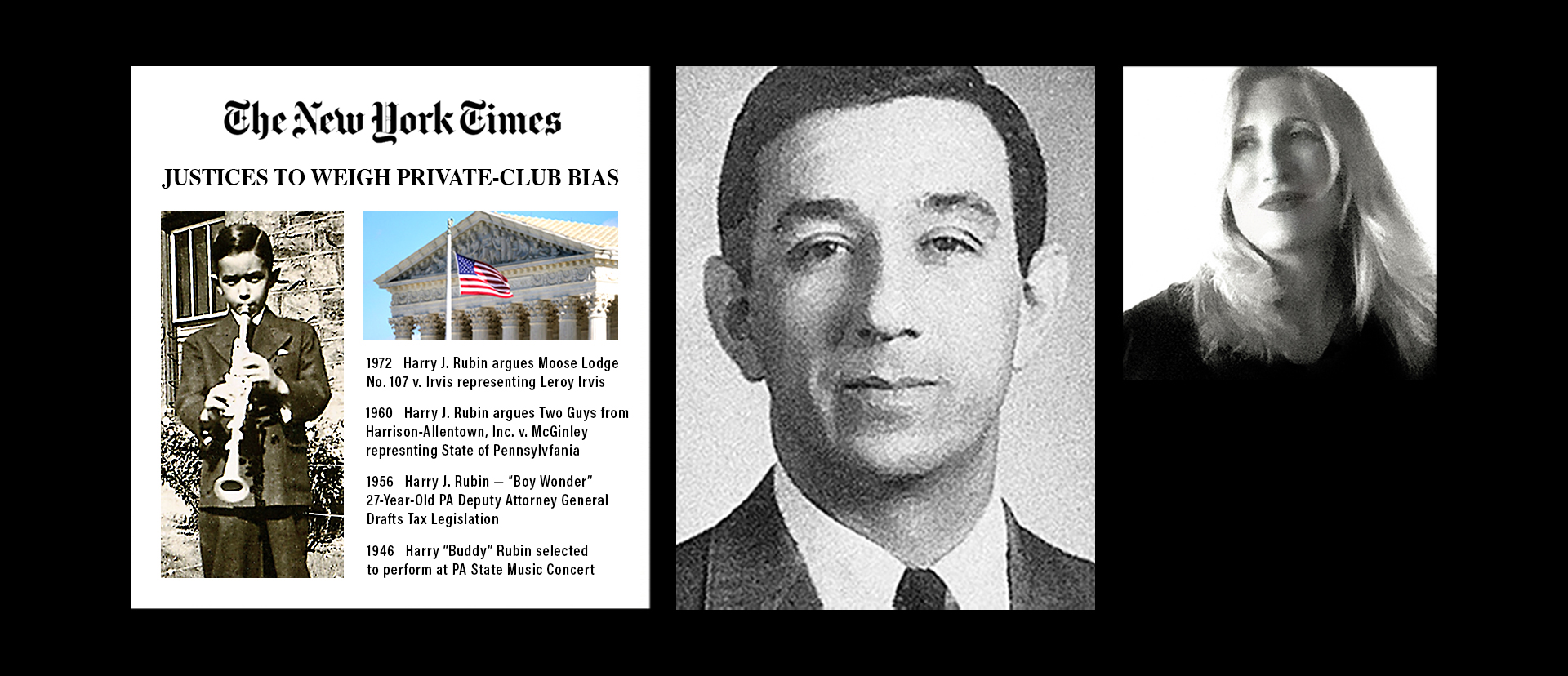
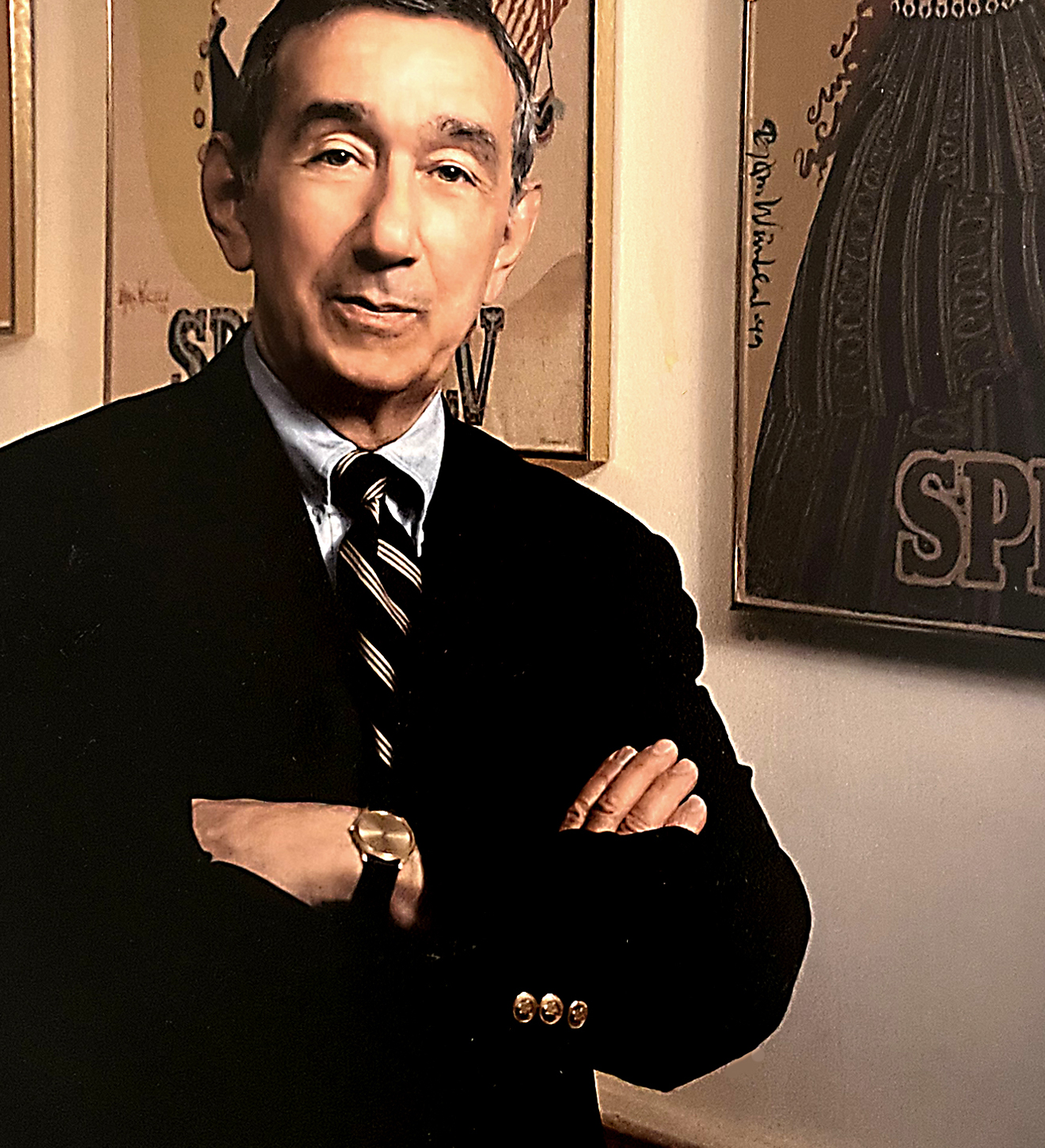
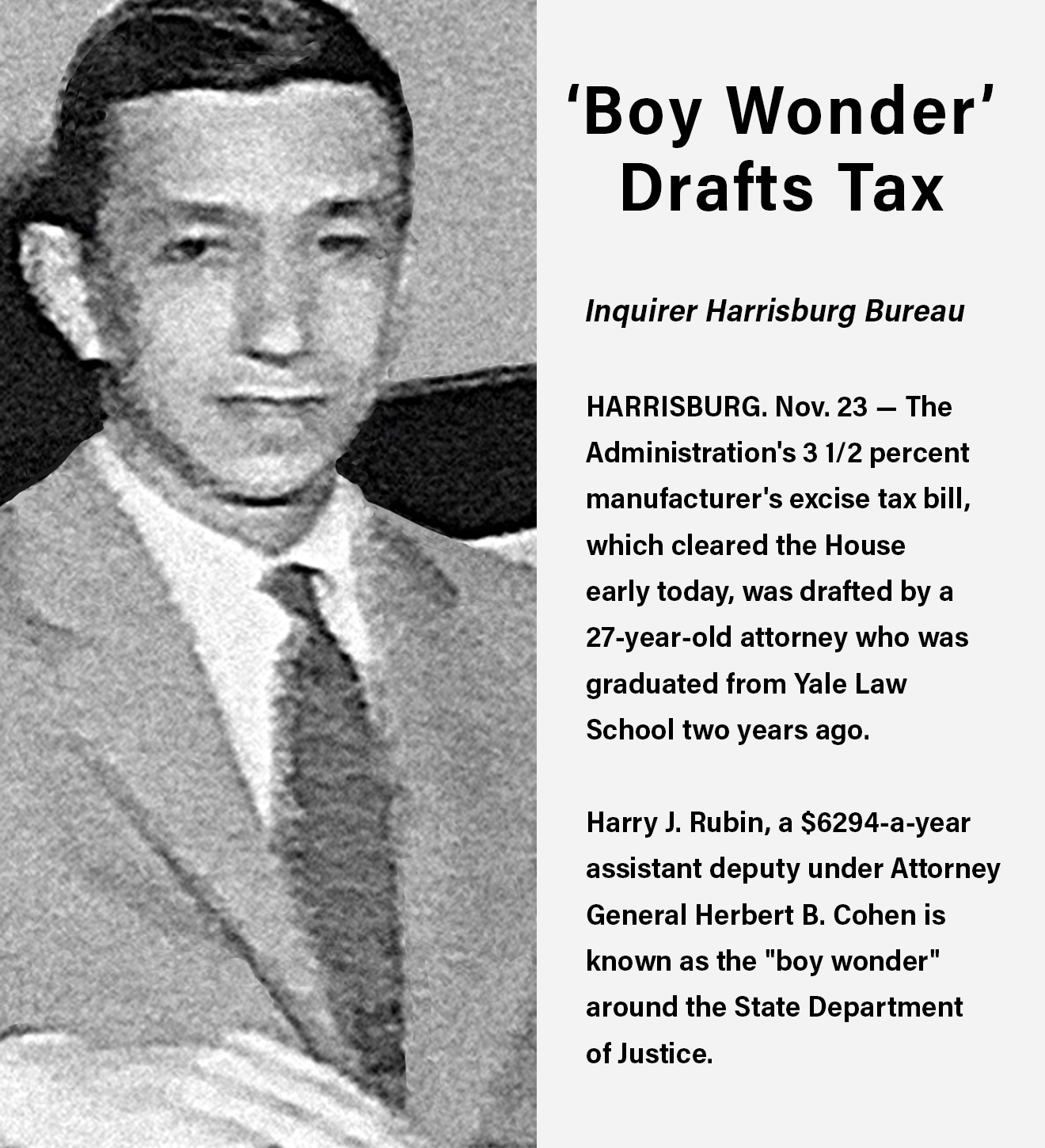
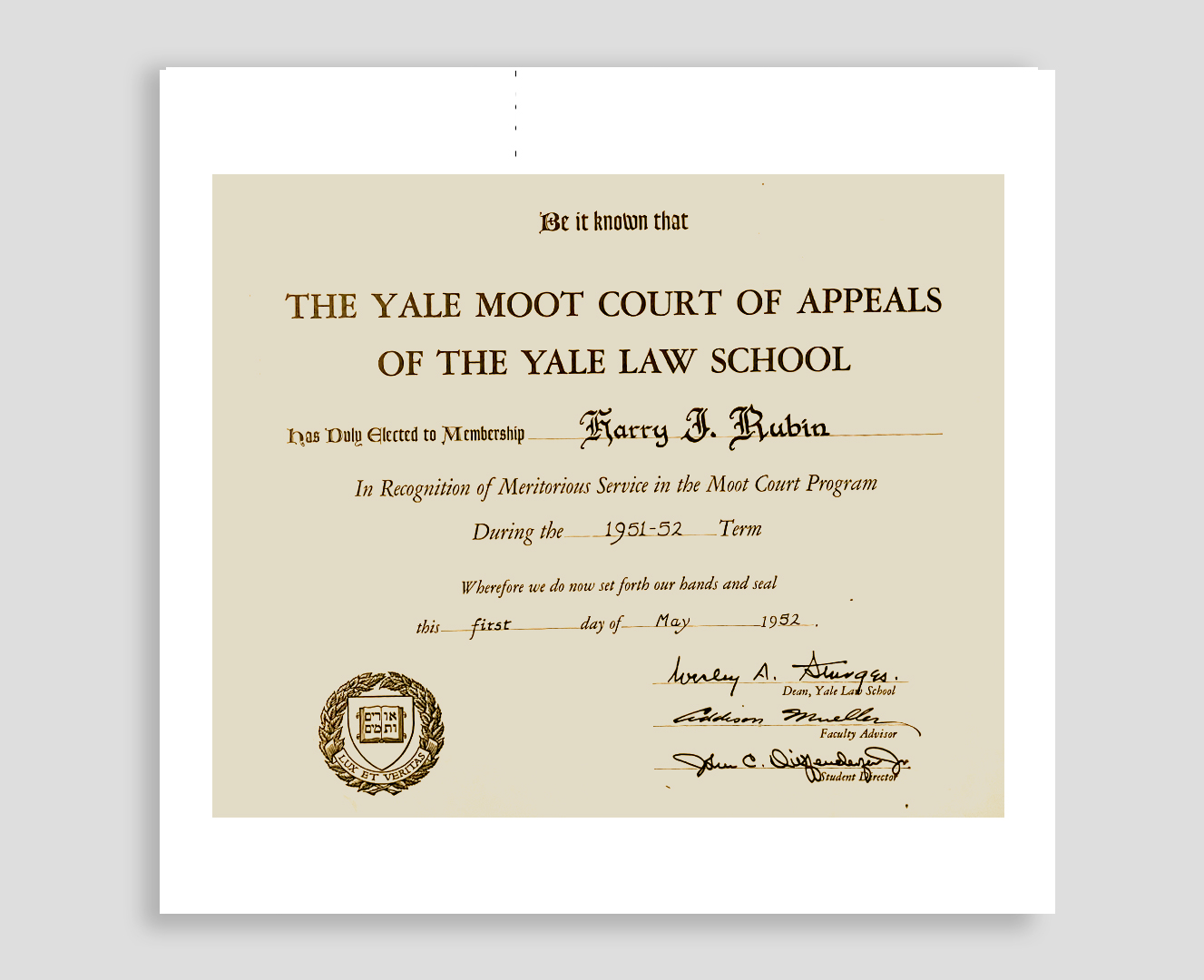
My nurturing father, Harry Jay "Buddy" Rubin, was so overly humble that he did not even want a memorial service. A clarinetist, he won competitions and played on Pittsburgh radio in his teens. Just two years after graduating from Yale Law School, still in his 20s, Bud Rubin became a Pennsylvania Deputy Attorney General. In 1960, when he was 32, he won "Two Guys" in the U.S. Supreme Court. He was one of the youngest attorneys in American history to win a SCOTUS case. At 42, he argued the Moose Lodge Case — representing Leroy Irvis pro bono. My famous, self-effacing Dad is studied by constitutional law students everywhere. Harry Jay Rubin also won Moose Lodge — despite Nixon-appointee Rehnquist's vapid, majority decision, which should be reversed.
